
Carpal Tunnel Syndrome
Carpal tunnel syndrome is one of the most common hand and wrist conditions in Australia, causing pins and needles, numbness or pain in the thumb and first two fingers. Symptoms are often worse at night and can significantly disrupt sleep. At Melbourne Hand Rehab, we assess and treat carpal tunnel syndrome across 11 clinics throughout Melbourne.
Carpal tunnel syndrome occurs when the median nerve leading into the hand is compressed. This usually happens in the wrist, although compression can happen at any point along the nerve. Carpal tunnel syndrome commonly occurs during pregnancy, midlife, or after an injury. It can also occur as a result of aging, vibration, or prolonged highly repetitive work.
Carpal Tunnel Symptoms
Most people with carpal tunnel syndrome report at least one of the following symptoms:
- Night symptoms and waking
- Tingling in the thumb and first two fingers
- Loss of sensation in the thumb or fingers
- Pain in the front of the wrist or thumb which can travel up the arm
- Weakness when making pinching movements


How is Carpal Tunnel Syndrome Assessed?
Carpal Tunnel Syndrome is diagnosed with a thorough clinical examination of the arm and wrist. A nerve conduction study may also be required. A typical assessment for Carpal Tunnel Syndrome usually involves:
- A thorough evaluation of the arm and wrist
- Thumb and pinch strength
- Sensory testing of the fingers
Carpal Tunnel Syndrome Treatment
Carpal Tunnel Syndrome requires treatment as it will not resolve by itself, unless it is pregnancy related. Pregnancy related CTS will normally reduce by 50% in the first two weeks after birth. If symptoms persist for any length of time beyond this, treatment is required.
Typical treatment for Carpal Tunnel Syndrome includes:
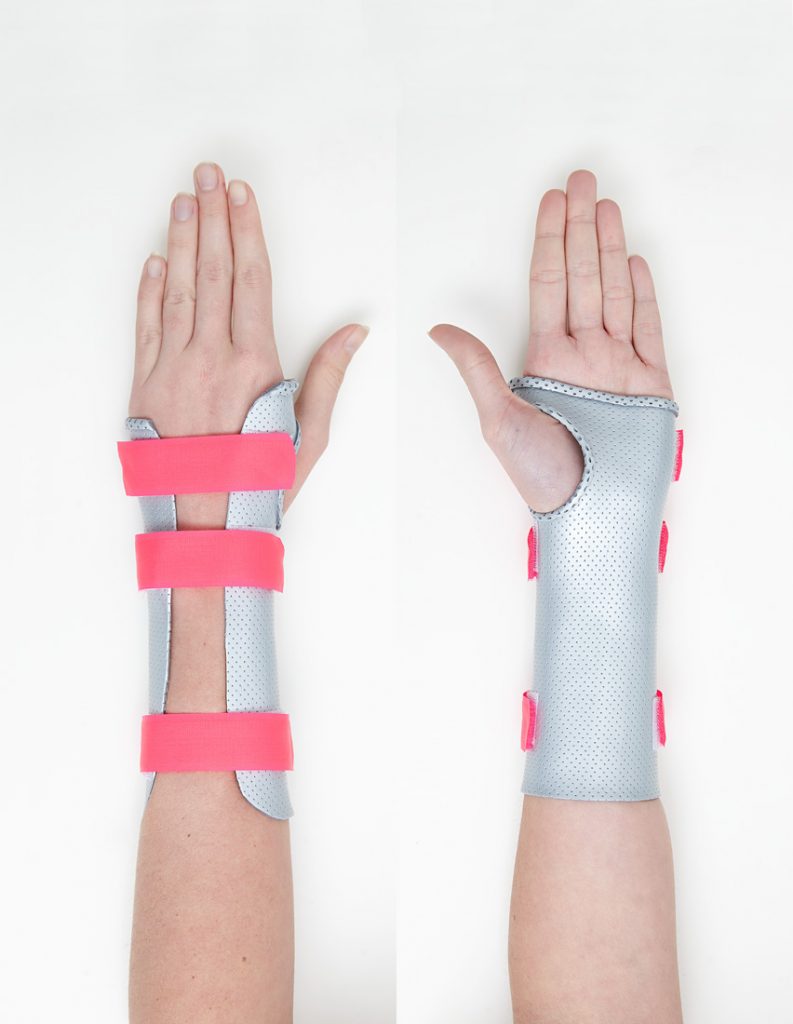
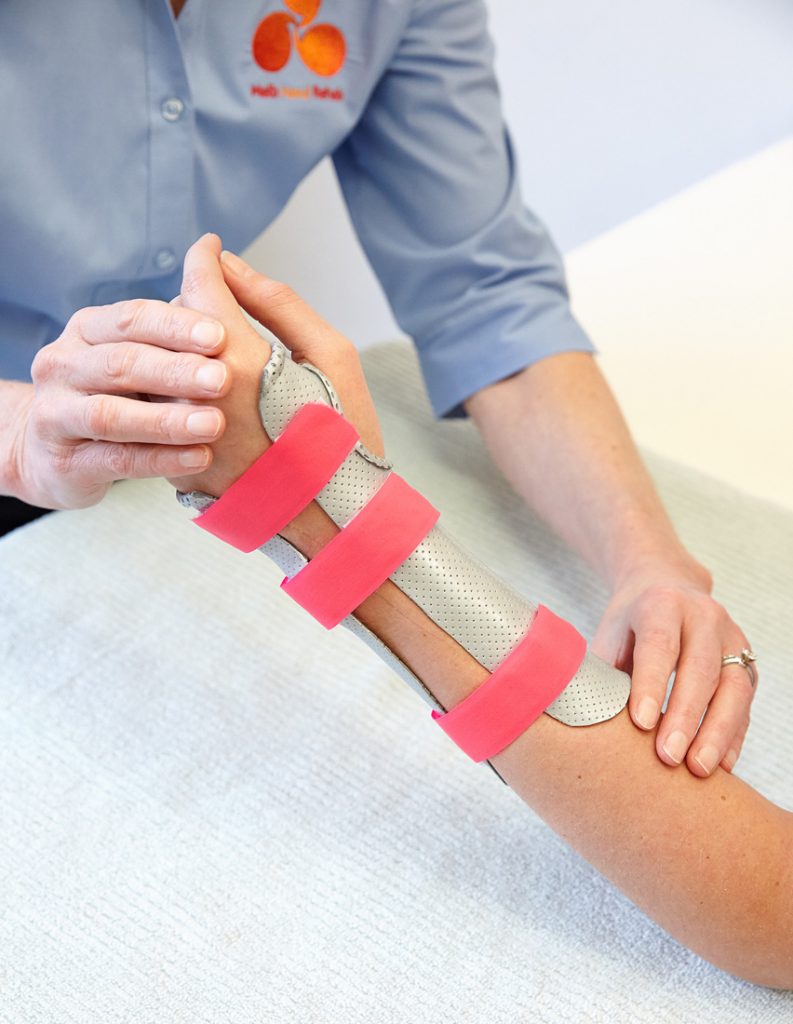
- Wrist splint in a neutral wrist position
- Education around which wrist positions to avoid during treatment
- Tendon gliding exercises
- Nerve gliding and sliding movements
- Ergonomic evaluation and advice in occupational situations
- Surgery may be suggested if conservative treatments don’t work.
If conservative treatment doesn’t fully resolve your symptoms, surgery may be recommended. Following carpal tunnel release surgery, hand therapy plays a key role in your recovery – our therapists provide post-operative rehabilitation tailored to your surgeon’s protocols.
What’s next?
If you’re experiencing carpal tunnel symptoms, our hand therapy practitioners across Melbourne can assess and treat your condition – whether you’re in the early stages or recovering from surgery. Self-referrals are welcome for private clients.
Book an appointment online or call us on 03 9458 5166.
Frequently Asked Questions
Can carpal tunnel syndrome go away without surgery?
In many cases, yes. Conservative treatment including wrist splinting, nerve and tendon gliding exercises, and activity modification can significantly reduce or resolve symptoms – particularly in mild to moderate cases. If symptoms persist despite conservative management, surgery may be recommended.
How long does carpal tunnel treatment take?
This varies depending on the severity of your symptoms. Mild cases may improve within a few weeks of splinting and exercise. More severe cases, or those requiring surgery, typically involve a rehabilitation program of 6-12 weeks or more.
What happens after carpal tunnel surgery?
Hand therapy is an important part of recovery following carpal tunnel release surgery. Your therapist will guide you through wound management, scar treatment, progressive exercises and return-to-activity planning. Read more about our post-operative hand therapy.
Do I need a referral to see a hand therapist for carpal tunnel?
Private clients can book directly – no referral needed. A referral is required if you are attending under WorkCover, TAC, DVA, or a Medicare Chronic Disease Management plan.
HOW CAN WE HELP?
For enquiries and appointments please call 03 9458 5166 or conveniently book online.