
Trigger Finger Treatment
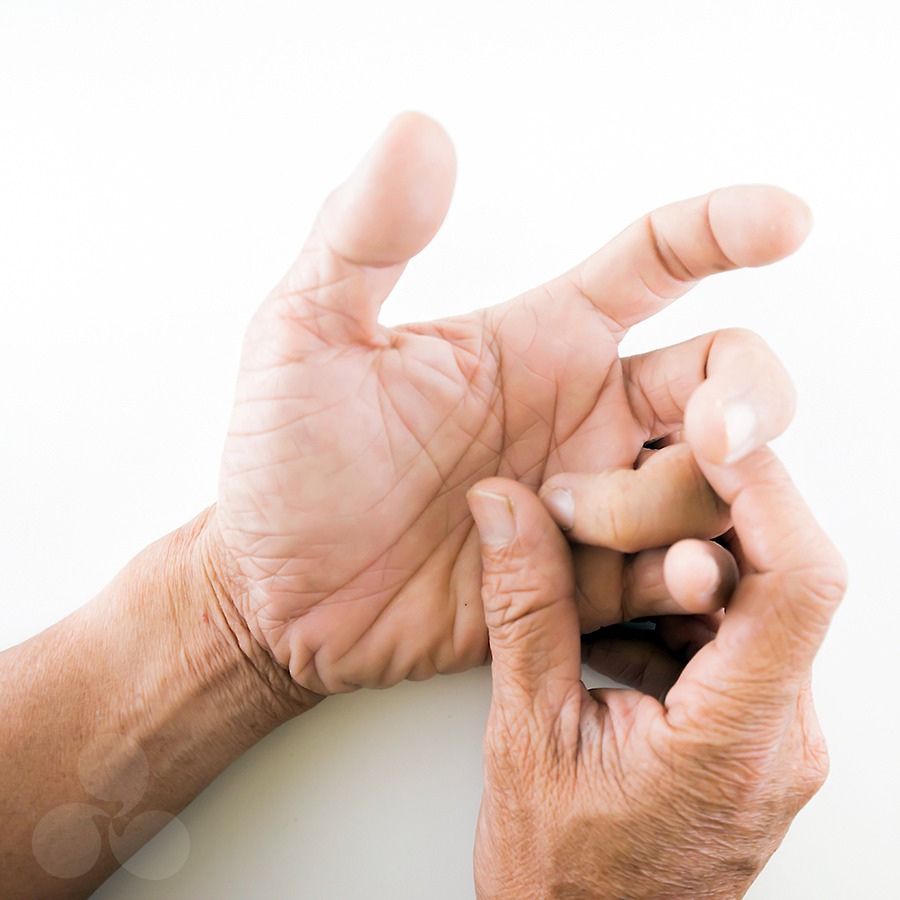
Trigger finger – also known as stenosing tenosynovitis – is a common hand condition where a finger or thumb becomes painful and difficult to straighten. In severe cases the finger may get stuck in a bent position. At Melbourne Hand Rehab, we assess and treat trigger finger across 11 clinics throughout Melbourne.
The condition can develop after repeated gripping, pinching or pressing with the fingers or thumb, or following a finger injury. It occurs when the tendon in the affected finger becomes swollen and gets caught in the narrowed tendon sheath when bending or straightening the finger. With increased force, the finger unlocks suddenly with a snap – like a trigger being pulled or released.
Trigger finger is more common in women, and in people with diabetes or rheumatoid arthritis. It is also common in people whose work involves repetitive gripping actions.
Trigger Finger Symptoms
Symptoms may progress from mild to severe and usually include:
- Finger stiffness – particularly in the morning
- Pain and uneven movement in the finger
- A ‘clicking or catching’ felt in the middle knuckle of the finger
- Finger locking in a bent position, which suddenly pops straight
- Finger locking in a bent position, which you are unable to straighten
Symptoms can affect any finger, and multiple fingers at the same time. The thumb, ring and middle fingers are most commonly affected by trigger finger.
Trigger Finger Assessment
Careful assessment of the affected fingers is performed to determine the best treatment options for you. We also assess:
- The activity or task that has contributed to the problem
- General hand function
- Observation of the triggering of your finger or thumb
Treatments
Treatment usually involves:
- Education and advice relating to trigger finger
- Advice on how to prevent the condition from becoming worse
- Massage and stretching
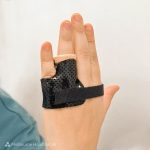
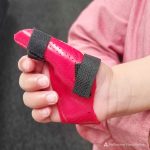
- Splinting
- Home exercises
If conservative treatment doesn’t fully resolve your symptoms, trigger finger release surgery may be recommended. Hand therapy following surgery helps restore full finger movement and strength. Our therapists provide post-operative rehabilitation tailored to your surgeon’s protocols.
What’s next?
If you have symptoms resembling trigger finger, consult one of our hand therapy practitioners today. We treat trigger finger and provide post-operative rehabilitation across all 11 Melbourne clinics: Melbourne, Richmond – Victoria Gardens, Richmond, North Essendon, Werribee, Hoppers Crossing, Ivanhoe, Mill Park, Boronia, Moorabbin and Caroline Springs.
Click HERE to conveniently book an appointment online.
Frequently Asked Questions
Can trigger finger go away on its own?
In mild cases, trigger finger may improve with rest and activity modification. However, without treatment it commonly worsens over time. Early intervention with splinting and exercises gives the best chance of resolution without surgery.
What is the treatment for trigger finger without surgery?
Conservative hand therapy for trigger finger typically includes splinting to rest the tendon, tendon gliding exercises, activity modification and education. Your therapist will tailor treatment to the severity of your symptoms and your daily activities.
What happens after trigger finger surgery?
Following trigger finger release surgery, hand therapy helps manage swelling, restore full finger movement and return grip strength. Most patients recover well with a short course of post-operative rehabilitation. Learn more about our post-operative hand therapy.
Do I need a referral to see a hand therapist for trigger finger?
Private clients can book directly – no referral needed. A referral is required for WorkCover, TAC, DVA or Medicare Chronic Disease Management plan clients.
HOW CAN WE HELP?
For enquiries and appointments please call 03 9458 5166 or conveniently book online.