
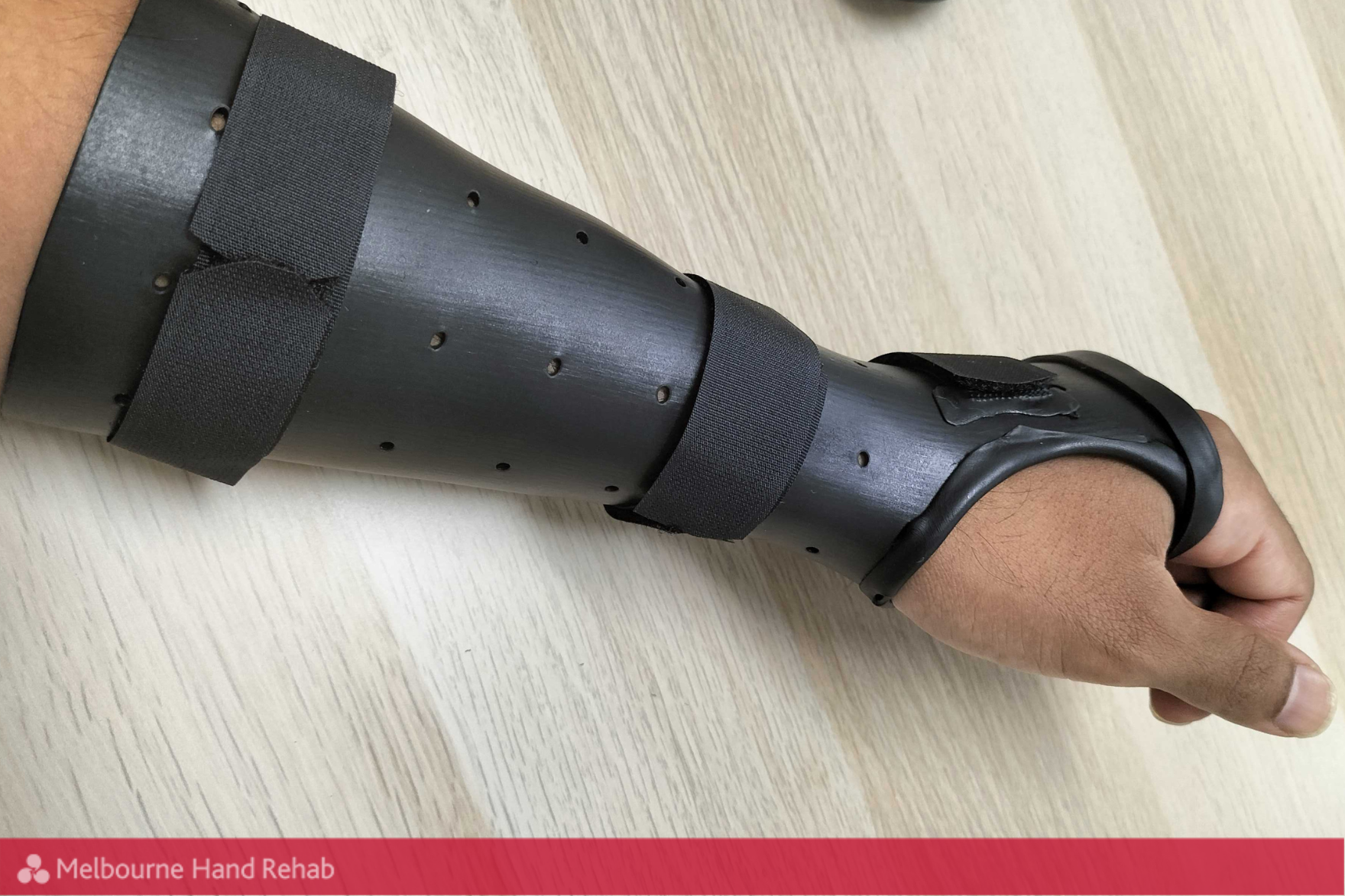
01 Jul Distal Radius Fractures – Why Therapy Starts Before the Cast Comes Off
Do you really need to start therapy before your cast comes off after a distal radius fracture?
Distal radius fractures are among the most common injuries we see, particularly when playing sport or from a fall. In fact, they account for a significant proportion of upper limb fractures, especially in older adults. Traditionally, rehabilitation was thought to begin only once the cast was removed. However, growing evidence now shows that the best outcomes occur when therapy starts much earlier.
Why early therapy matters
When your wrist is immobilised, several changes begin almost immediately: joints stiffen, muscles weaken, and swelling can persist. These changes can delay recovery long after the bone has healed. Patients often report ongoing pain, stiffness, and difficulty returning to normal activities if these impairments are not addressed early. Recent research strongly supports early intervention. A 2024 systematic review and meta-analysis found that patients who commenced rehabilitation earlier after distal radius fracture surgery experienced better upper limb function and reduced pain compared to those who started later. Importantly, early therapy did not increase complication rates, highlighting that it is both safe and beneficial.
What “therapy before the cast comes off” actually looks like
Starting therapy early doesn’t mean stressing the fracture site. Instead, it involves targeted strategies to protect healing while maintaining function elsewhere. This may include:
– Finger and thumb mobility exercises to prevent stiffness– Shoulder and elbow movement to avoid compensatory limitations– Swelling management techniques, such as elevation and compression– Education on safe use of the hand during daily tasks– Maintaining other forms of physical activities and providing modifications for the wrist

These early interventions help maintain circulation, minimise stiffness, and prepare the wrist for more active rehabilitation once immobilisation ends. The 2024 Journal of Orthopaedic & Sports Physical Therapy clinical practice guidelines emphasise a structured, early and progressive approach to distal radius fracture rehabilitation. These guidelines recommend that clinicians assess movement, strength, and function early, and use validated outcome measures to track recovery over time. They also highlight that outcomes are influenced by multiple factors, including baseline pain, psychological health, and activity levels, reinforcing the need for early, individualised care rather than a “wait and see” approach.
Benefits for patients and referrers
For patients, starting therapy early often translates to:
– Faster return to daily activities– Reduced long-term stiffness and pain– Improved confidence using the hand
For GPs and referrers, early hand therapy input can help guide recovery, monitor progress, and identify complications such as delayed stiffness or complex regional pain syndrome at an earlier stage.
The takeaway
Bone healing is only one part of recovery after a distal radius fracture. Without early intervention, the surrounding joints, muscles, and soft tissues can become the limiting factor. The evidence is clear: rehabilitation should begin during the immobilisation phase-not after it ends. Early, guided therapy is safe, effective, and plays a critical role in restoring function and reducing long-term disability.
If you or your patient has recently sustained a distal radius fracture, involving a therapist early can make a measurable difference to recovery.

Do you have a fractured wrist? Call us on 03 9458 5166 to book an appointment!
BOOK AN APPOINTMENT
For more information, call us directly on 03 9458 5166
You might also be interested in: