
09 Dec Splint Care: Maintenance Tips For The Warmer Weather
Posted at 10:34h in Blog
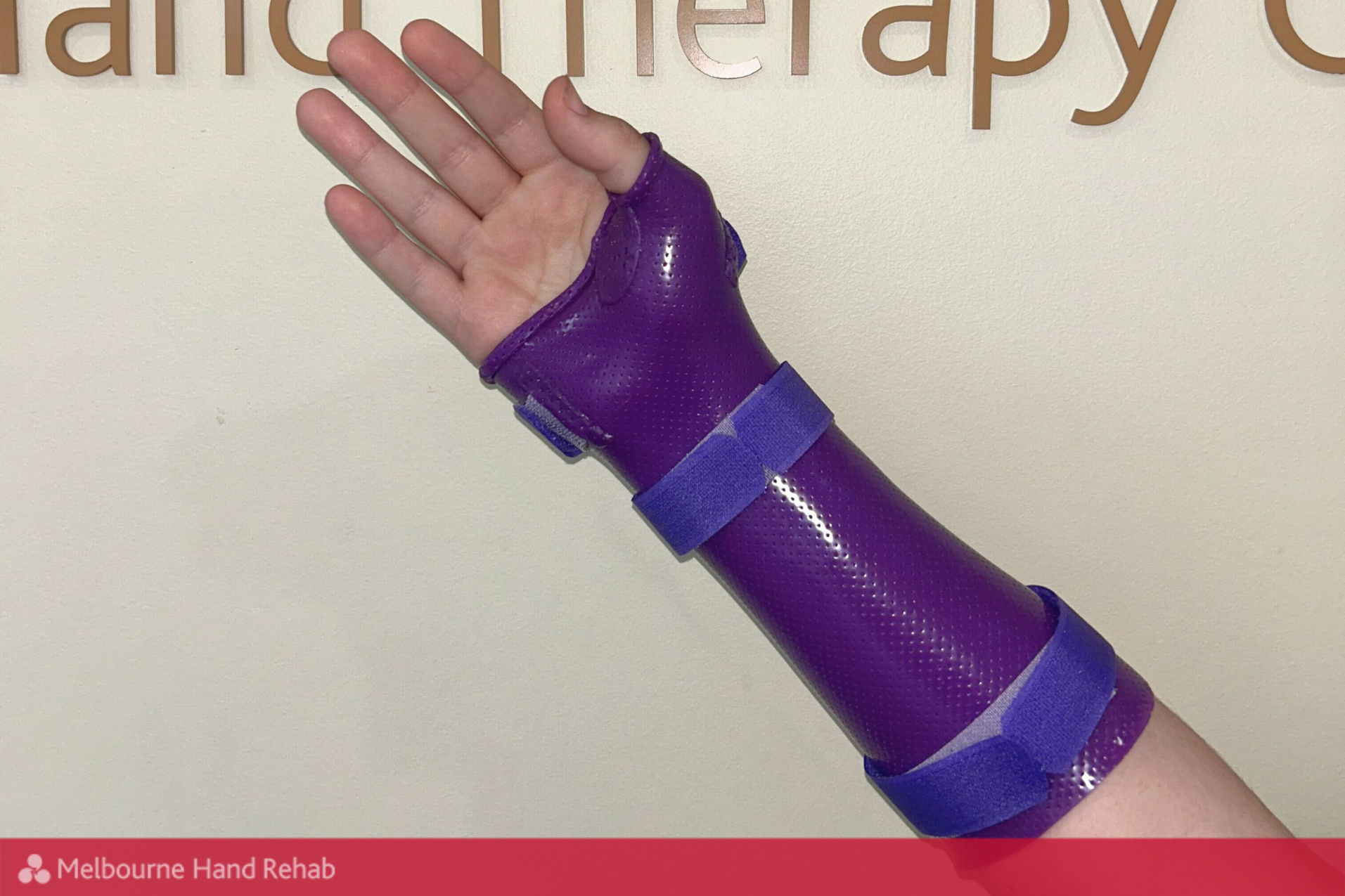
Summer’s finally here, and it’s time for sunshine, swimming, and outdoor adventures! If you’ve recently injured your hand or wrist and are wearing a splint, the warmer months can come with some extra challenges.
Between heat, sweat, and sand, it’s important to take a little extra care to keep your splint (and your skin) in top condition. Here are some tips so you can enjoy everything summer has to offer while protecting your hand and maintaining your recovery progress.
Swimming with a Splint
- Check with your therapist beforehand if your splint is able to be submerged in water. Most custom thermoplastic splints are waterproof but it never hurts to check just in case!
- If the splint isn’t designed to be submerged in water, use a waterproof cover if you plan to swim. A nitrile/rubber glove with tape to secure the glove in place will work well.
- Dry immediately after swimming. Pat the splint gently with a towel and allow the splint (and hand) to air dry in a shaded area.
Beach Days & Sand Care
- Keep the splint covered! A light sleeve or stockinette can reduce sand getting inside the splint.
- Rinse off sand with fresh water before it dries outside/inside the splint as sand can cause irritation or damage the strapping.
Managing Heat & Sweat
- Remove (if allowed by your therapist) and dry your splint (and skin!) periodically.
- Clean and dry your skin regularly to prevent rashes from trapped sweat or moisture.
- Wear a thin cotton liner or stockinette under the splint (if tolerated!) to absorb sweat and reduce odour.
- Avoid leaving it in the car or direct sunlight as heat can warp thermoplastic splints.
How to Clean Your Splint
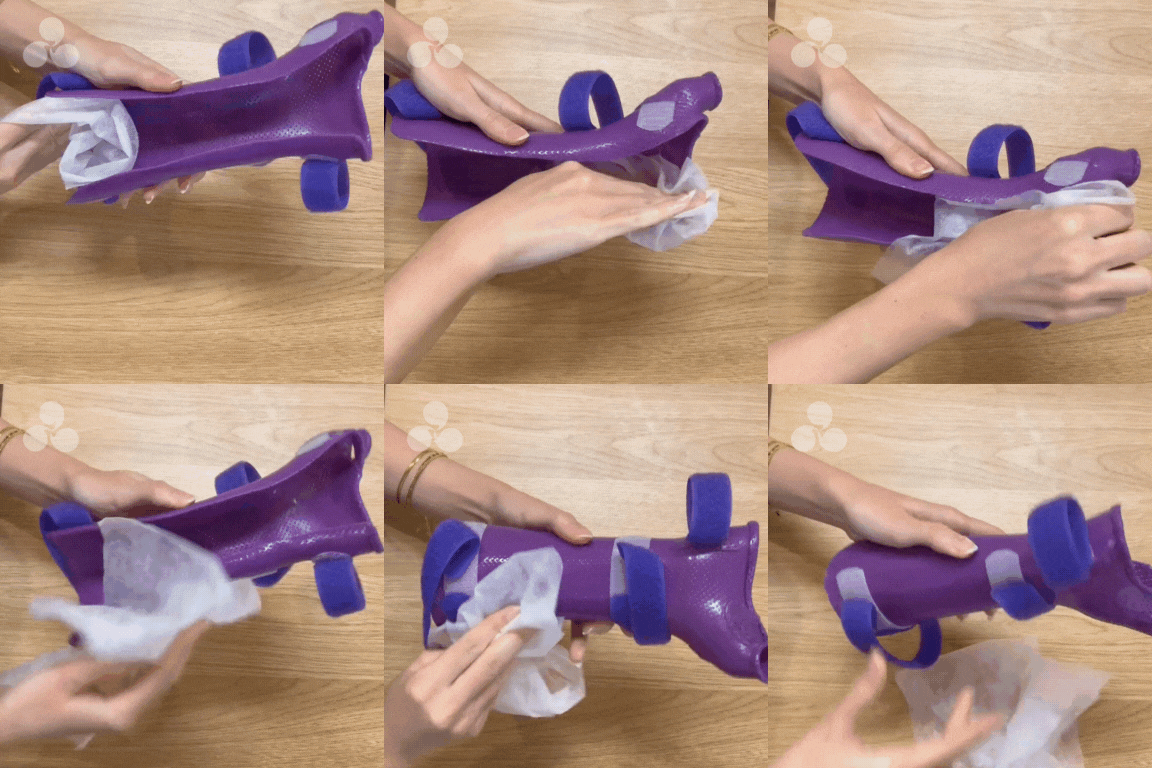
- Wipe the splint with a mild soapy cloth or an alcohol wipe (if on the go).
- Rinse with cold water and air dry the splint completely before putting it back on.
- Velcro straps: Wherever possible, wash separately if removable, then air dry. The straps will likely soak up some water if submerged for a period of time and lose some ability to stick onto the velcro hooks – if that happens, allow the straps to dry before putting them on the splint again.
- Velcro hooks: pick off any lint/fluff trapped in the hooks and wipe with a mild soapy cloth or an alcohol wipe.
- Avoid using heat to dry splints as these can distort the shape of the splint. A hairdryer on the cold setting will work beautifully to speed up the process if available. If not, air drying will be the best way to effectively dry your splint.
Extra Tips
- Bring it to your hand therapist if your splint feels uncomfortable after heat or water exposure – your therapist will be able to modify and adjust your splint as needed to ensure that your splint continues to do what it was designed to.
- Keep a spare liner or cover handy for summer activities.

If you need some extra splint care advice or your splint is starting to feel uncomfortable, we’re here to help! Contact our clinic today to book a review or chat with one of our hand therapists.
BOOK AN APPOINTMENT
For more information, call us directly on 03 9458 5166
You might also be interested in: