14 May Understanding Hypermobility & Hand Therapy Support
Hypermobility can affect joint stability, movement, pain, and everyday hand function. While some people experience no symptoms, others may notice pain, fatigue, instability, or recurrent injuries.
This guide explains what hypermobility is, common signs and associated conditions, and how hand therapy can help support joint stability, reduce symptoms, and improve everyday function.
What is hypermobility?
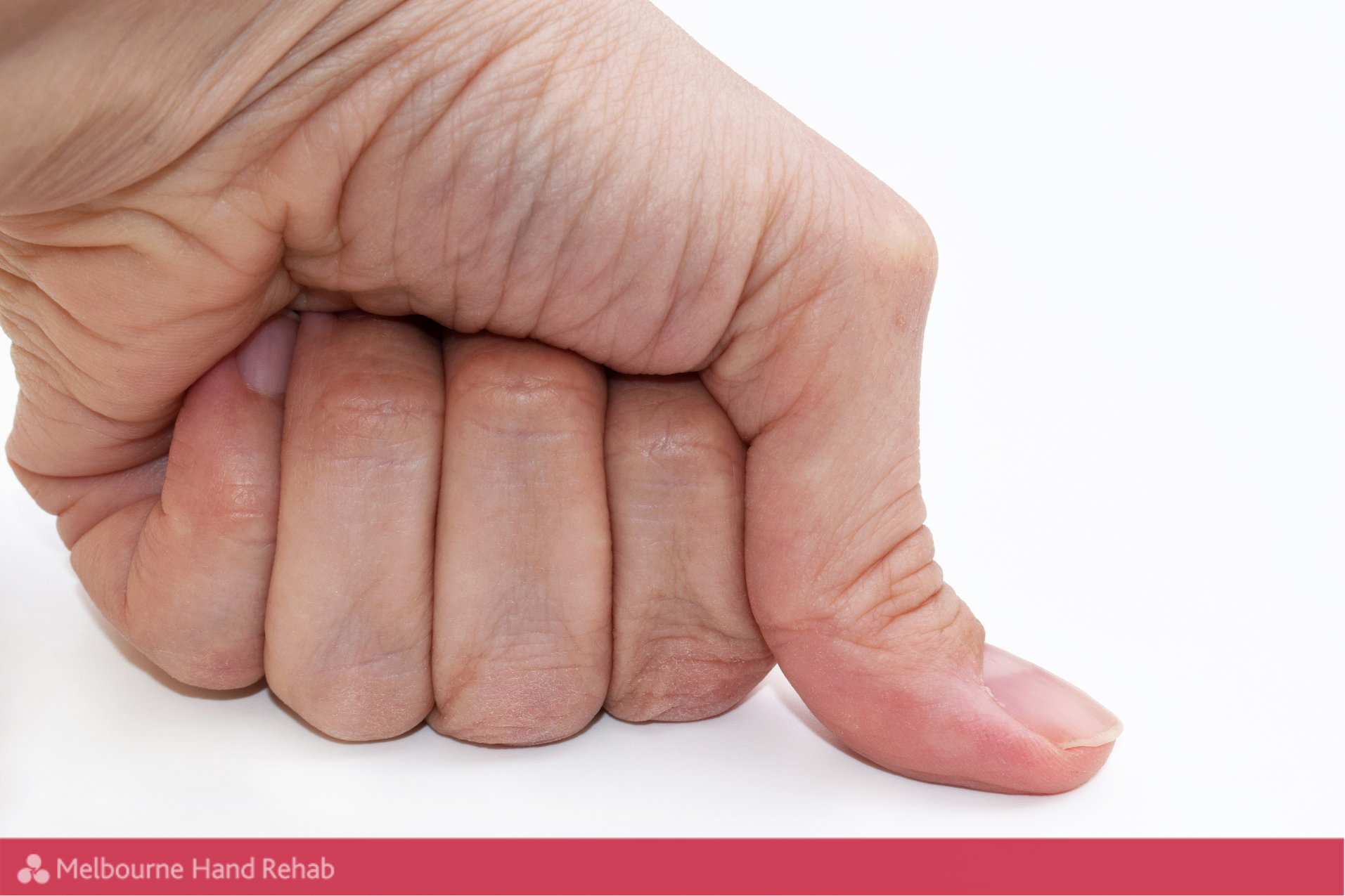
Hypermobility means that one or more of your joints can move through a greater range than expected. This often occurs when the connective tissues that support the joints, including ligaments, are more flexible or elastic than usual.
Ligaments connect bone to bone and help stabilise our joints. When ligaments are more flexible, they may provide less passive support, allowing the joint to move further than average.
Some people are naturally hypermobile, while others may develop increased movement in a joint following an injury, such as a ligament sprain.
How do I know if i’m hypermobile?
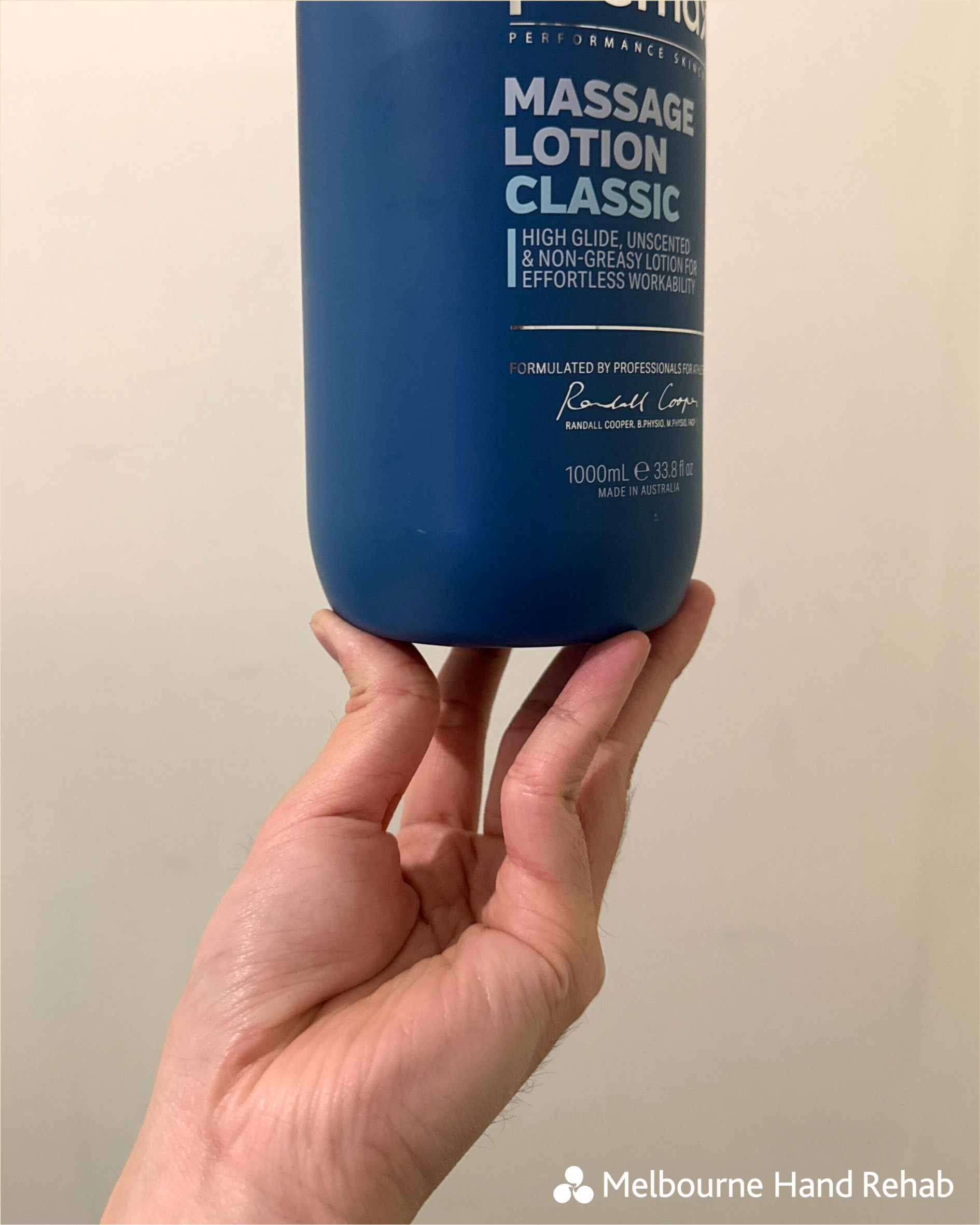
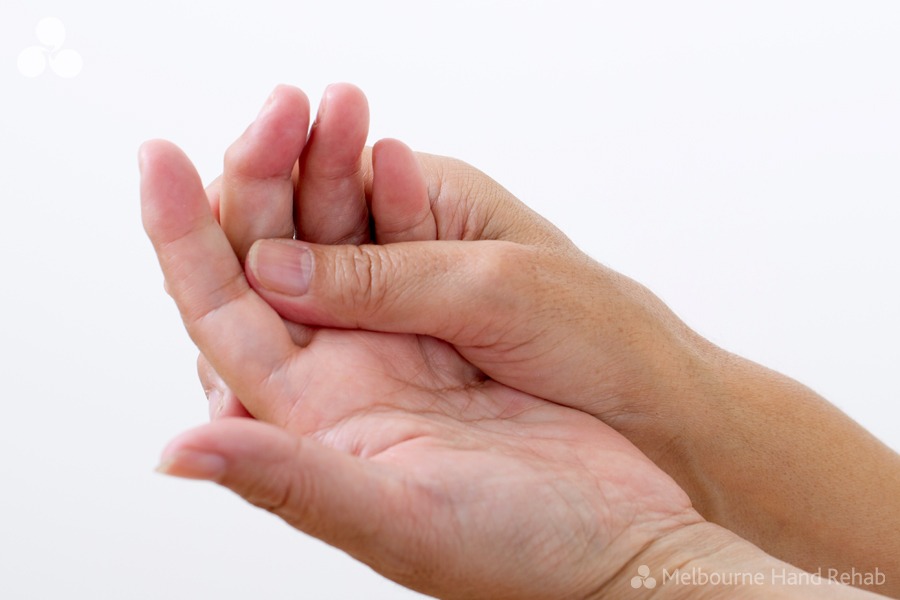
A commonly used screening tool is the Beighton Scoring System, which looks at flexibility in several joints and gives a score out of 9.
A score of:
- 5 or more out of 9 in adults under 50.
- 4 or more out of 9 in adults over 50.
- 6 or more out of 9 in children before puberty may suggest generalised joint hypermobility.
However, the Beighton score is only a screening tool. It does not diagnose a condition, and it only assesses a small number of joints. Hypermobility can also occur in joints that are not included in this test.
So what if i’m hypermobile?
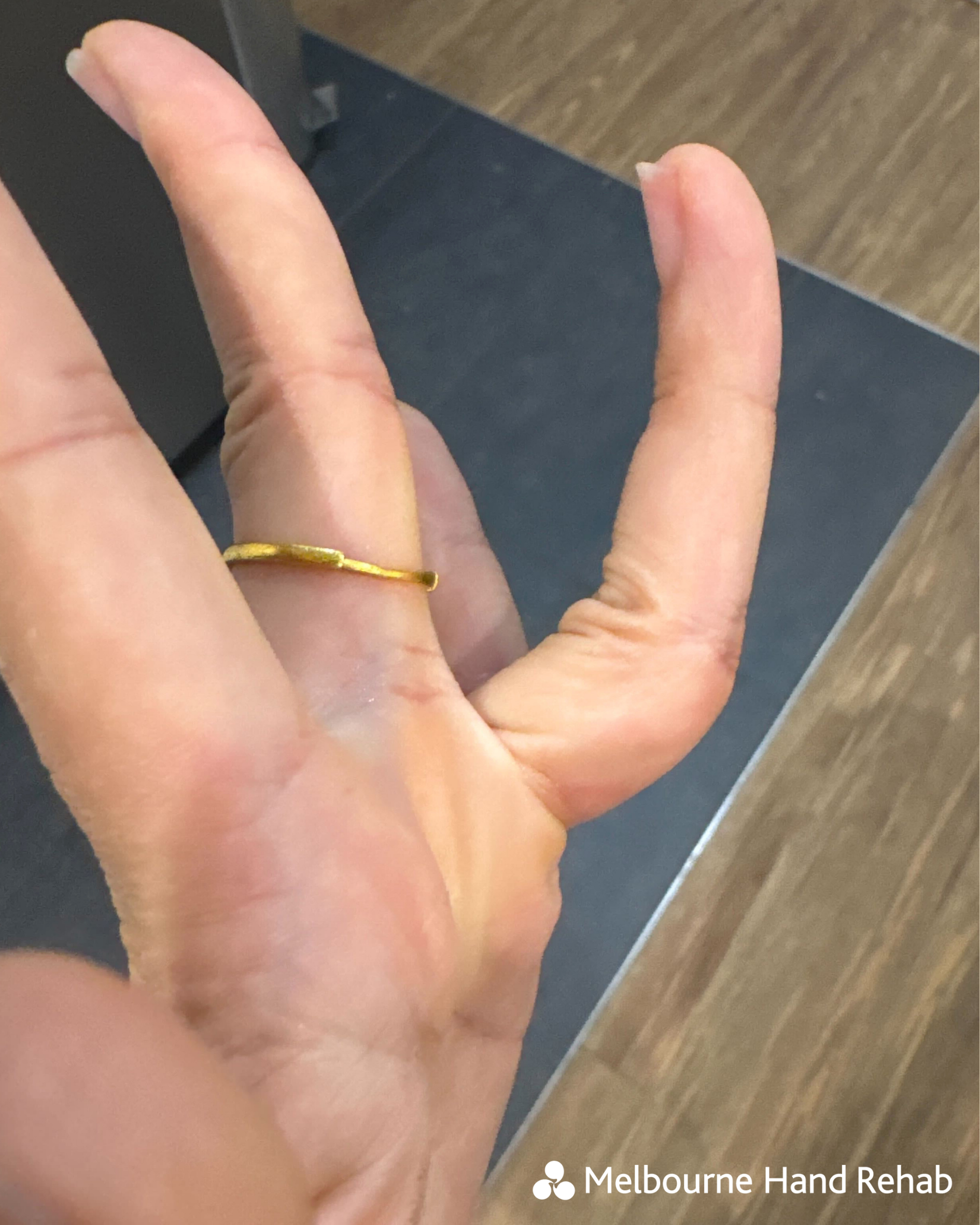
Some people are hypermobile without experiencing any symptoms. For others, hypermobility can be associated with pain, fatigue, or joint instability that can impact daily function and quality of life.
Hypermobility may also increase the risk of:
- Joint sprains
- Subluxations or dislocations
- Overuse injuries
Hypermobility can exist on its own or be associated with other conditions such as:
Ehlers-Danlos Syndrome (EDS)
EDS refers to a group of heritable connective tissue disorders. There are multiple types, each with different presentations, however joint hypermobility is a common feature in many forms.
Other symptoms may include:
- Stretchy or fragile skin
- Joints that dislocate easily
- Chronic pain or fatigue
- Gastrointestinal symptoms
- Increased anxiety
Postural Orthostatic Tachycardia Syndrome (POTS)
POTS is a condition affecting the autonomic nervous system. It is characterised by an increase in heart rate when moving from lying or sitting to standing.
This can occur due to changes in blood flow, with blood pooling in the lower body when upright.
Symptoms may include:
- Light-headedness or dizziness
- Fainting
- Heart palpitations
- Fatigue
Symptoms often improve when lying down.
Neurodivergence
People who are neurodivergent (including those with autism, ADHD, or tic disorders such as Tourette syndrome) are more likely to have generalised joint hypermobility. There is also some overlap with conditions such as EDS and POTS.
What can I do about my hypermobility?
Hand therapy can play an important role in managing hypermobility by reducing symptoms, improving function, and helping to prevent injury.
Splint wear
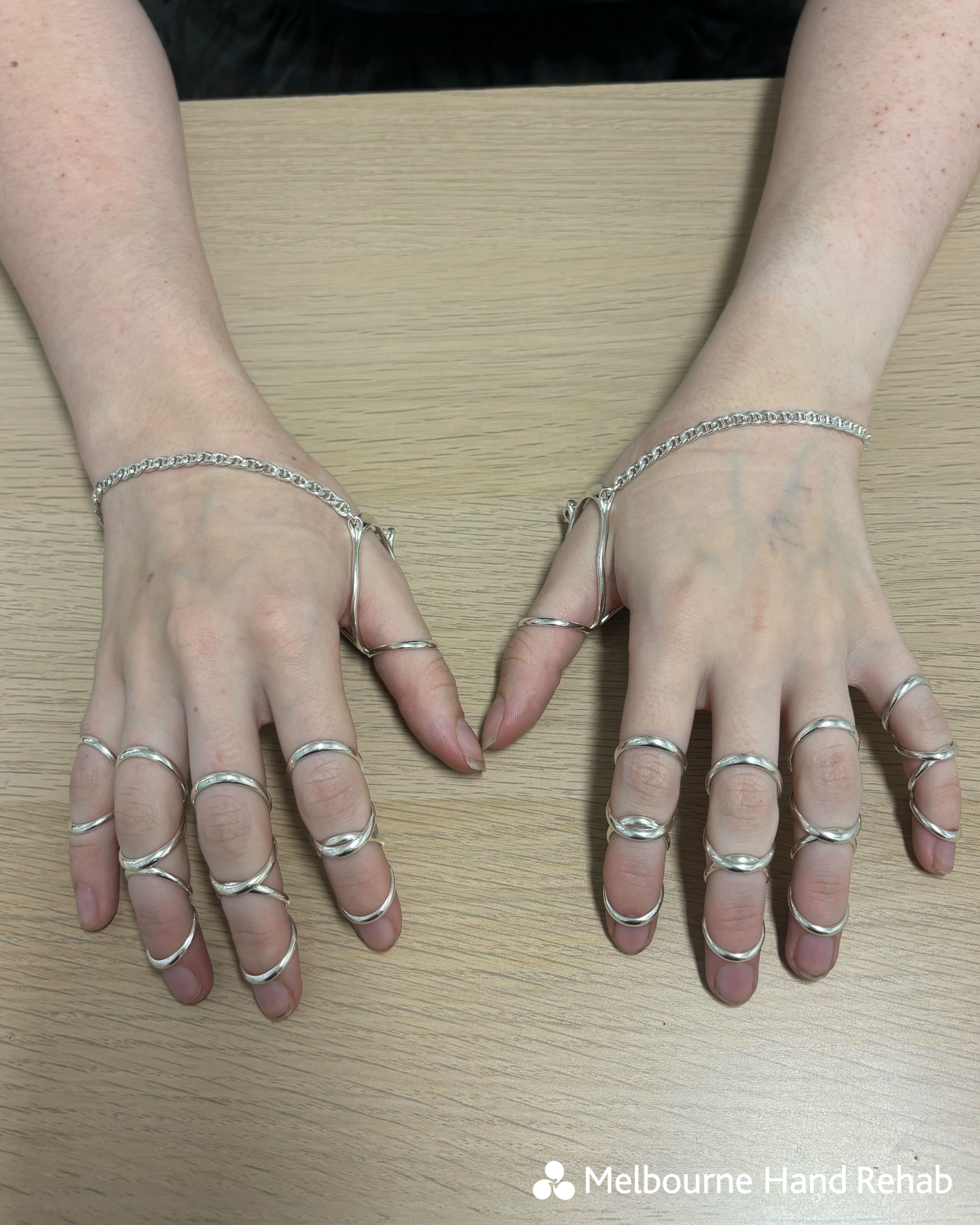
Splints can help limit excessive joint movement while still allowing functional use of the hand.
Lightweight options such as Oval-8 splints or custom silver ring splints can be worn over finger and thumb joints to help control hyperextension during everyday tasks.
Strength and stability training
Muscles act as active stabilisers of our joints and can help compensate for increased ligament laxity. Targeted strengthening can improve joint control and reduce the risk of injury.
Joint protection education
Small changes to how you perform daily activities can reduce stress on your joints. This may include:
- Modifying hand positions
- Taking regular breaks during repetitive tasks
- Using larger joints or stronger muscle groups where possible

If you’re having concerns about hypermobile joints or would like guidance on how to manage symptoms and prevent injury, book in with one of our hand therapists today!
BOOK AN APPOINTMENT
For more information, call us directly on 03 9458 5166
You might also be interested in: