
08 Apr TFCC Injuries
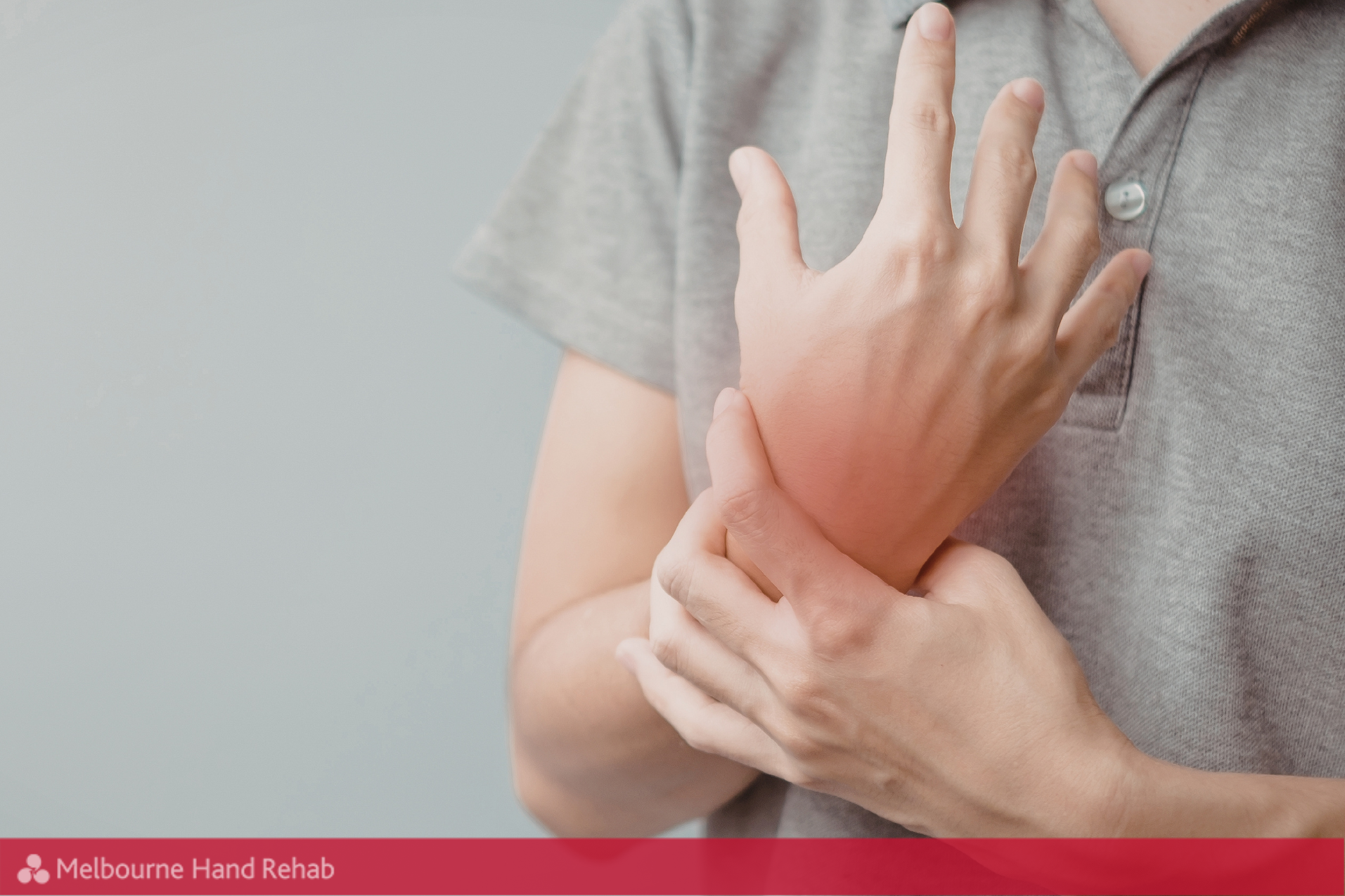
TFCC injuries are a commonly mismanaged condition of the wrist. Despite often being quite painful, TFCC injuries are frequently not given enough rest, protection, or targeted rehab exercises to properly recover.
This can lead to the development of chronic symptoms that can have major impacts on work, sport, exercise, and daily activities. Therefore, it is very important that TFCC injuries are treated effectively as soon as possible.
What is the TFCC?
The TFCC (triangular fibrocartilage complex) is a collection of ligaments and soft tissues located on the outer side of the wrist.
It plays an important role in:
- Stabilising the wrist in rotation
- Weightbearing
- Joint awareness
Due to these important functions, the TFCC can be injured in various ways e.g. sharp twisting motions, falling on an outstretched hand, and repetitive overuse.
How do I know if I have a TFCC injury?
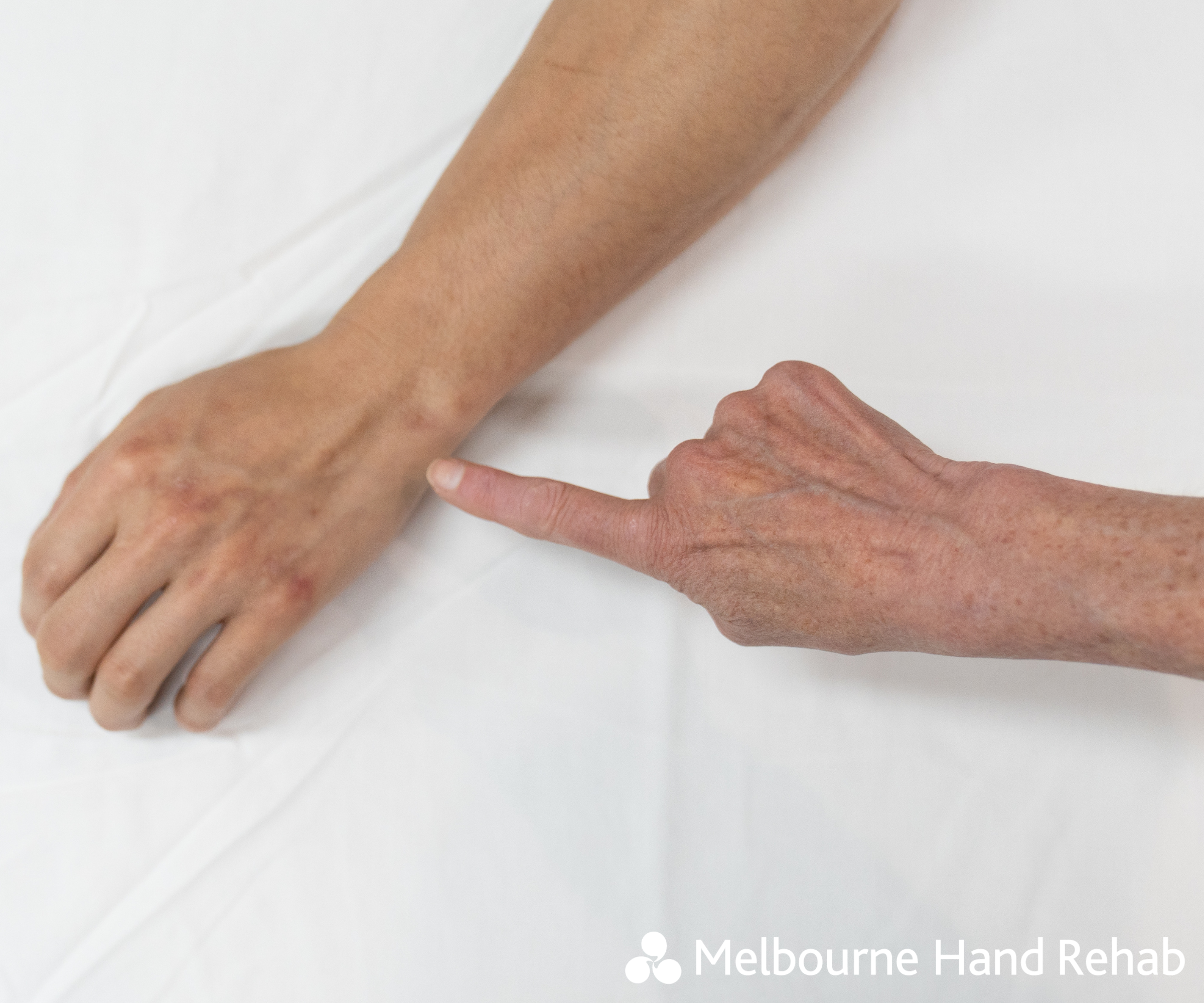
TFCC injuries are typically characterised by pain localised at the outer wrist.
Common aggravating activities include:
- Heavy gripping
- Rotation e.g. washing your face, lifting
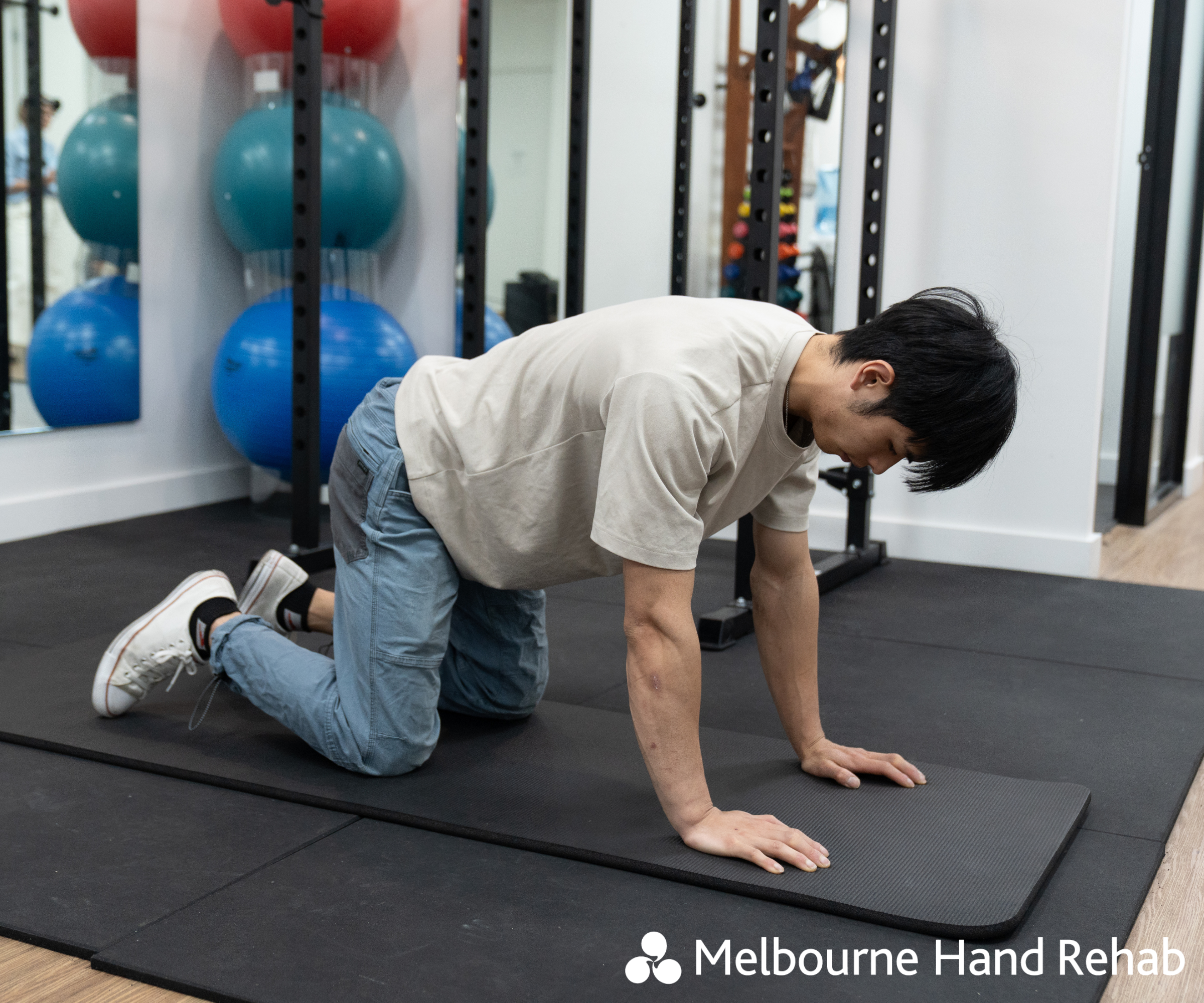
- Weightbearing e.g. push ups, getting off the ground
How do I manage a suspected TFCC injury?
TFCC management can be summarised in 3 phases:
Symptom-relief
If the injury is new (<3 days), standard first-aid treatment can be used to minimise inflammation and provide short-term symptom-relief e.g. ice, compression, anti-inflammatory medication. For older injuries (i.e. several weeks to months), heat can also be applied for additional comfort e.g. wheat bag, warm water etc.
Rest / Protection
During the early stages of recovery, it is essential that the wrist is provided adequate rest to ensure proper healing of the soft tissues. This involves avoiding aggravating movements and taking a break from risky activities, sports, and exercises.
Given the integral role the wrist plays in daily function, it is difficult to avoid aggravation caused by inadvertent movement and activity. Depending on the severity of symptoms, wearing a protective device such as a brace or splint can provide external support and ensure high quality rest. The required duration and level of rest and protection will vary depending on the injury and functional demands – however in general several weeks at minimum will be required.
Rehab
Lastly, targeted rehab exercises are essential to strengthen the muscles and tendons around the wrist that stabilise the TFCC. Initial exercises should include light isolated muscle activation before progressing through range, increased resistance and into specific activities related to function e.g. work, sport. This will build long-term stability, facilitate a return to full function, and minimise the risk of future re-injury.
What can Melbourne Hand Rehab offer you?
At Melbourne Hand Rehab, we conduct a thorough assessment of your wrist, provide a formal diagnosis, and develop a tailored management plan including likely healing and return-to-sport timeframes.
If indicated by your symptoms, we specialise in fabricating custom thermoplastic splints. Fitted directly on your hand in-clinic, they provide a high quality of rest and firm protection, effectively preventing aggravation and assisting with a swift recovery.
Finally, we also provide tailored exercise rehab programs to stabilise and strengthen your wrist. Based on assessment findings in-clinic and your functional requirements (e.g. work, sport), these exercises are regularly adjusted and progressed, providing ease of mind that you’re on the right track and ensuring fast recovery as efficiently as possible.
In severe cases, TFCC injuries may also require surgical repair when conservative management alone is not sufficient. At Melbourne Hand Rehab, we can assist with your management both pre- and post-surgery, ensuring the wound heals properly and that functional goals are achieved safely.
TFCC injuries can be painful, debilitating and difficult to manage. However, with the right steps they can be effectively treated and full return to function is achievable.

If you are experiencing wrist pain and would like a helping hand, book an appointment online or call 03 9458 5166!
BOOK AN APPOINTMENT
For more information, call us directly on 03 9458 5166
You might also be interested in: